Car Key Replacement by Vehicle Make: What You Need to Know
Different manufacturers engineer their keys and fobs in distinct ways, and that directly affects how a replacement is produced. Ford and GM vehicles — think F-150 pickups and Silverados common in Throggs Neck and Wakefield — typically use 80-bit or 128-bit transponder technology that requires dealer-level programming tools to sync correctly. Toyota and Honda models, popular throughout Kingsbridge and Norwood, use smart key systems where the fob communicates with the car's push-to-start module; cloning or programming a new one demands brand-specific software. European makes like BMW, Mercedes-Benz, and Volkswagen often use encrypted rolling codes, making professional programming equipment non-negotiable. Regardless of your make, our technicians arrive prepared with the equipment needed to handle the job.
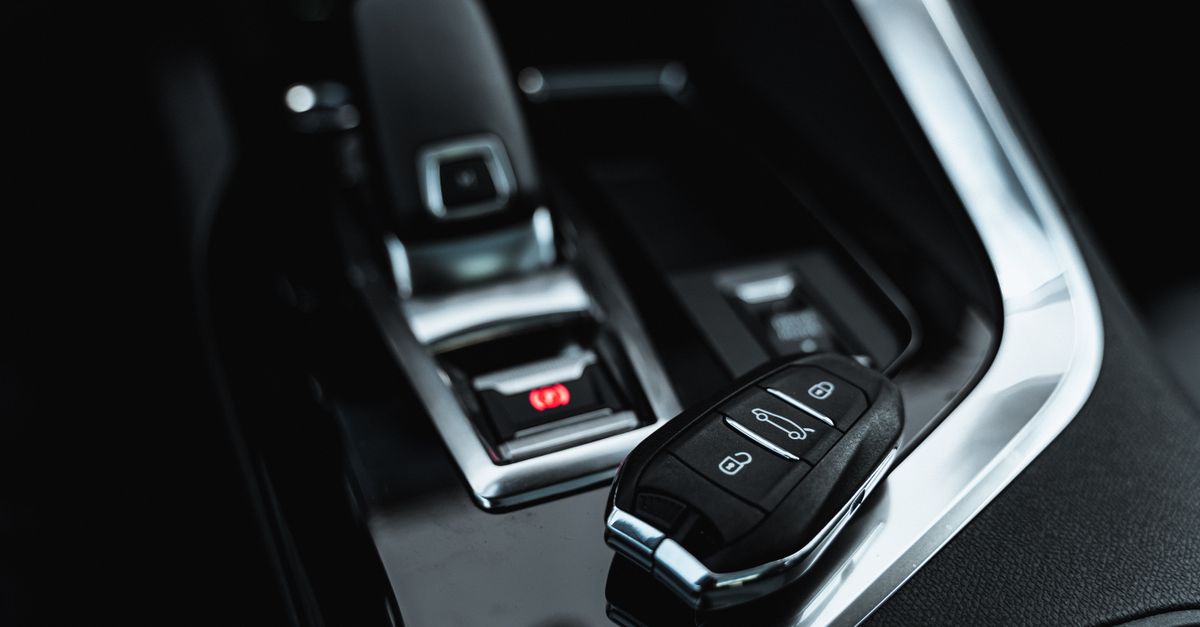
Luxury and newer model-year vehicles present additional complexity. Many post-2015 cars — especially those with proximity keys — require the vehicle's onboard computer to be put into a specific learning mode before a new key can be accepted. Skipping or incorrectly executing this step will leave the new key non-functional. Our experienced team understands these model-specific requirements and follows the correct procedure for each vehicle, verifying that the new key starts the engine and operates all programmed functions before we consider the job complete.